


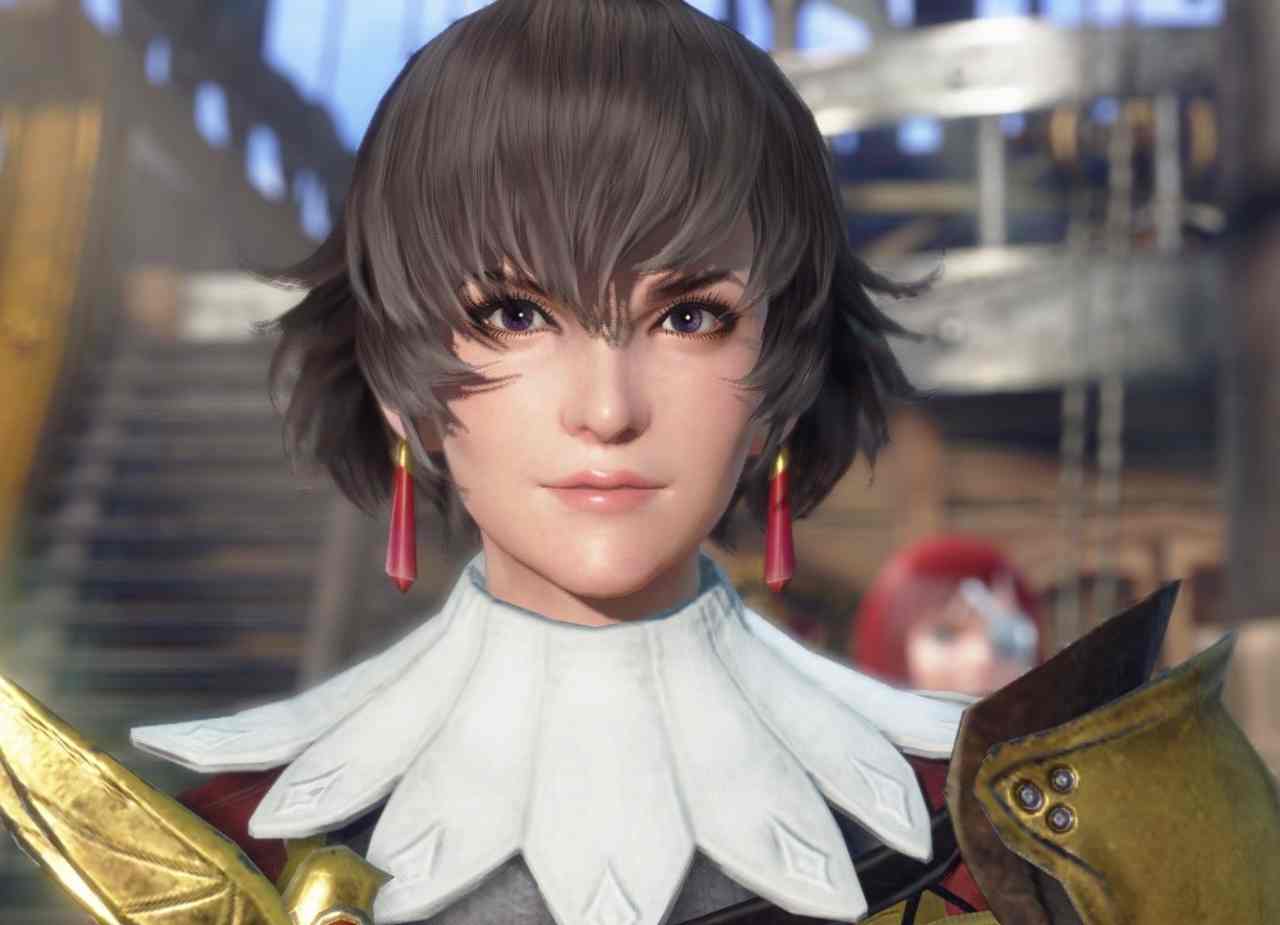
I’ve played hundreds of hours of Monster Hunter, and after replaying my favorite one, Rise, I can only see one solution for the future of the franchise. The decades-long Capcom series saw its latest entry, MH Wilds, released earlier this year. The game was initially met with praise, but it’s been struggling with several issues – so much so that Monster Hunter Wilds has been review-bombed on Steam.
Players have been complaining about its performance on PC specifically, which is dreadful. This is well-illustrated by poor FPS rates and frequent crashes, which impede players from enjoying the game. Another issue, though one that affects the title across all platforms, is the quality of Monster Hunter Wilds’ endgame content, which is lacking when compared to previous entries in the franchise.
Monster Hunter Needs To Look Back At Its Successes
The Capcom Series Should Learn From World & Rise
The future of the series looks uncertain, given how poorly received Wilds has been by its community. Capcom has issued patches that were meant to fix the game, but users complain that the performance issues that plague it only get worse with each update. I believe that, for the franchise to survive the harsh reception it’s had with Wilds, Monster Hunter will need to look back at its previous successes.
This means taking notes from both Monster Hunter World and Monster Hunter Rise, the two core installments that preceded Wilds. While they each have their fair share of flaws, both titles are widely praised by critics and players alike, and there’s a lot that the series can learn from them, both in terms of technical performance and content. This has become even more evident to me as I’m replaying Monster Hunter Rise for the third time.
MH Rise Is The Perfect Example That True Quality Lies In Content
By Keeping It Simple, Rise Shows What Wilds Got Wrong
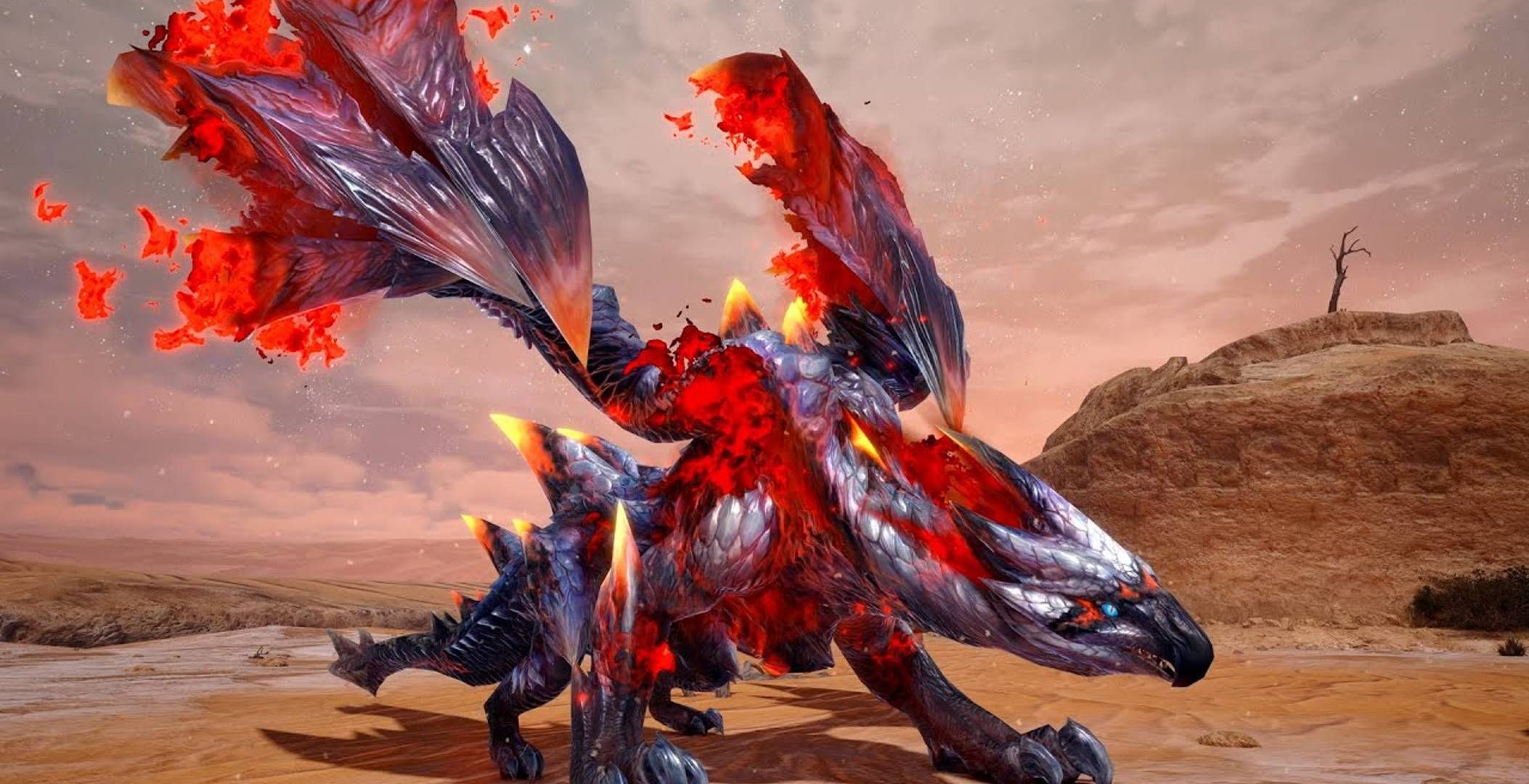
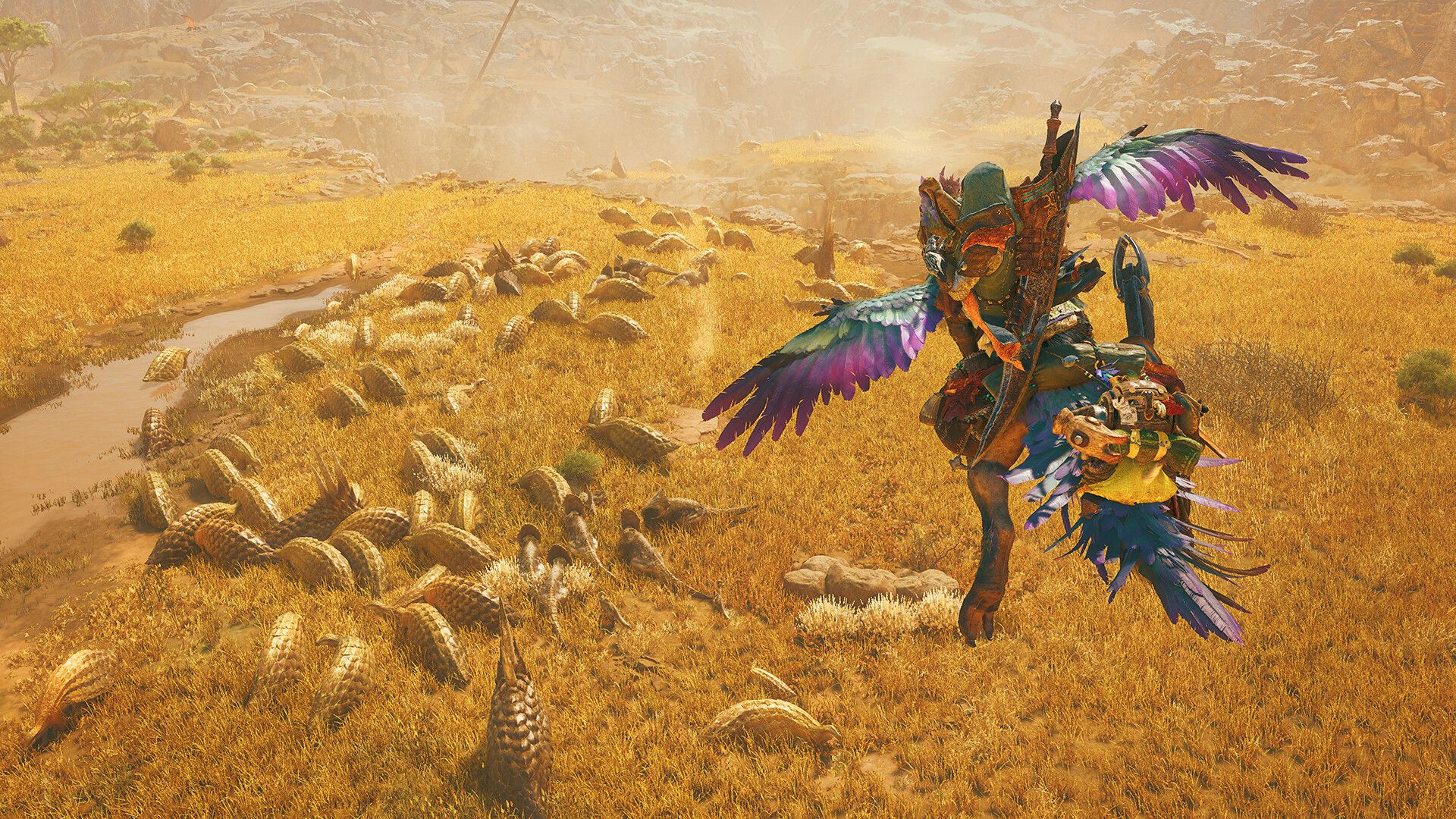
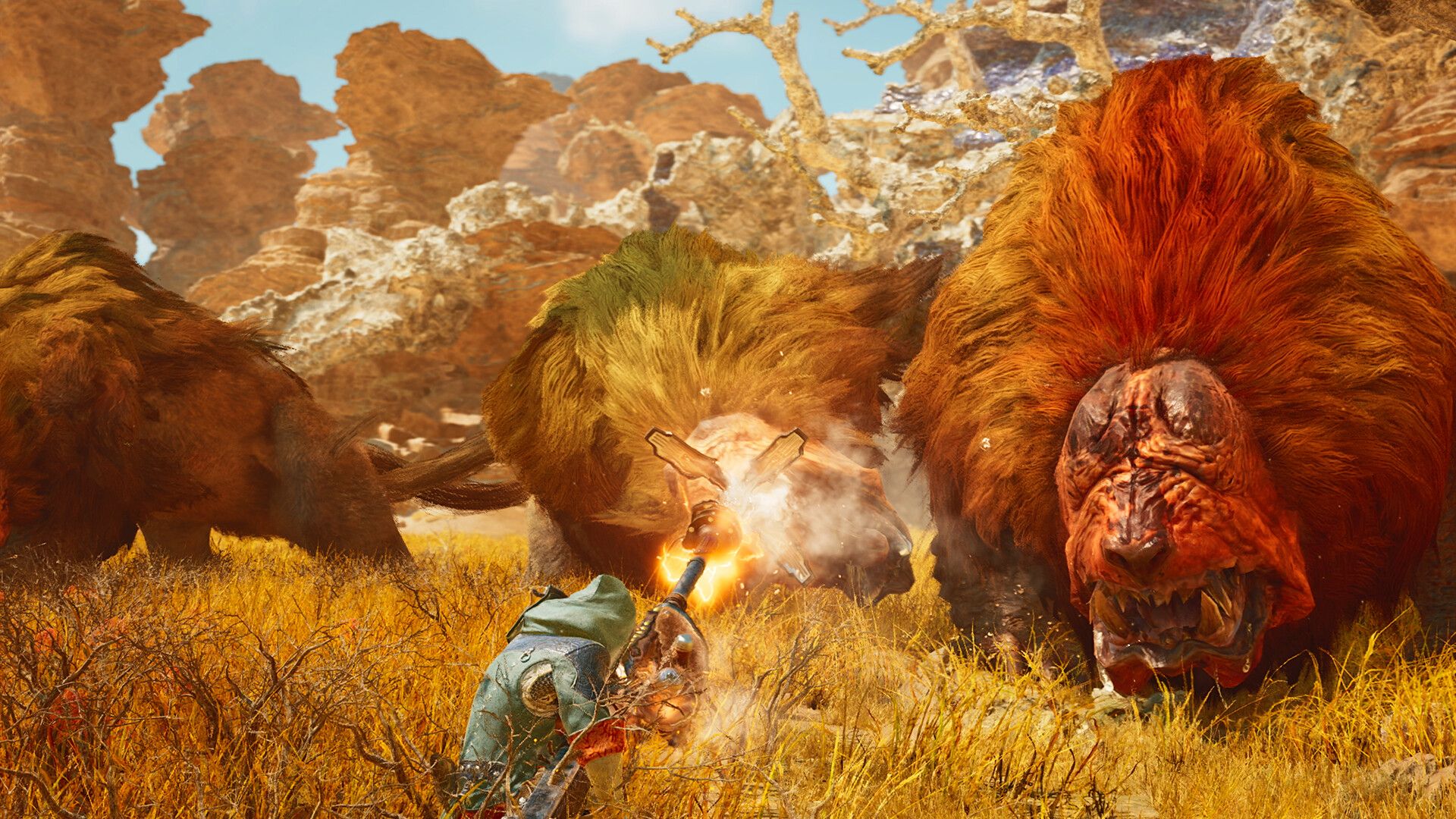
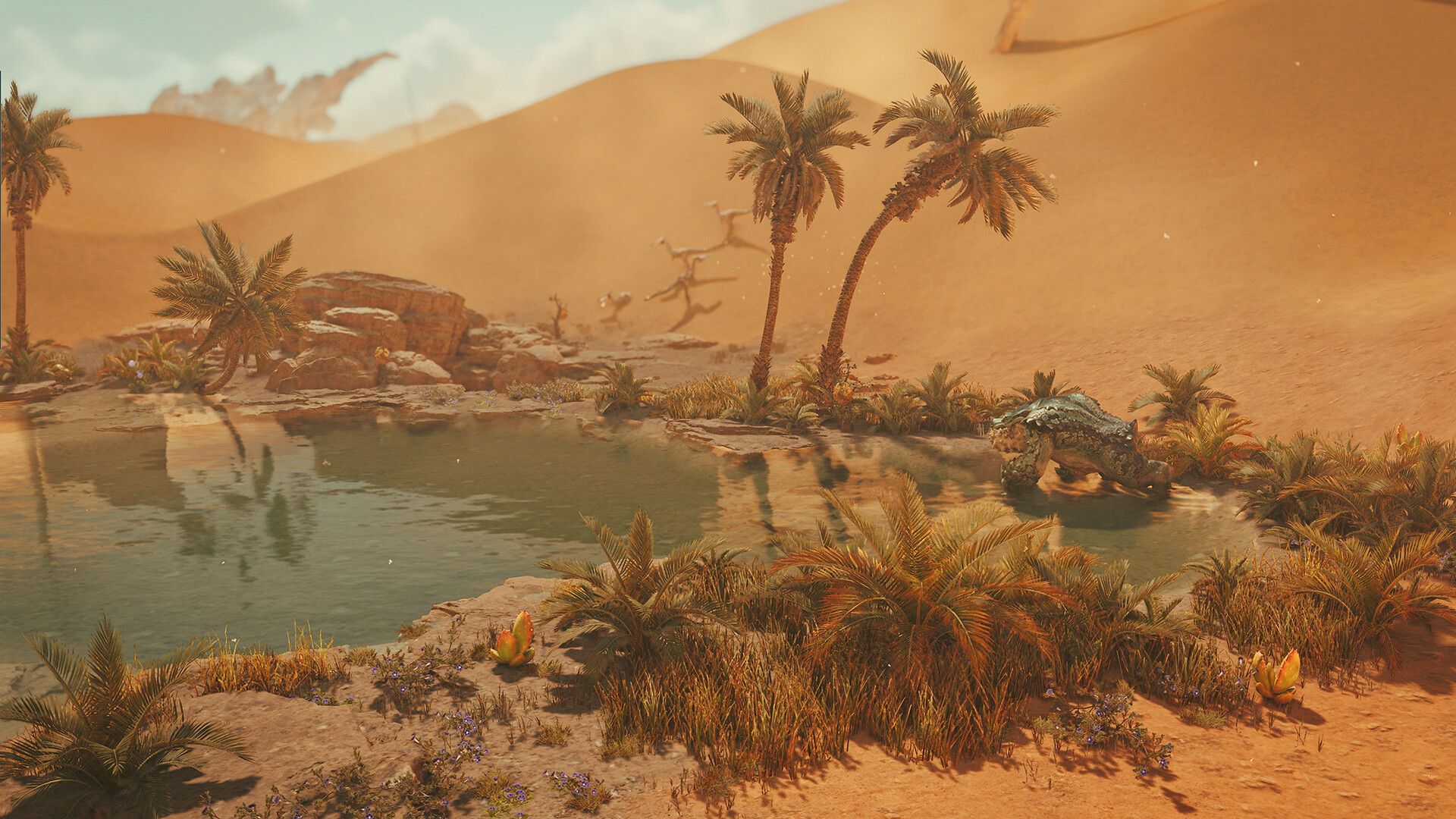
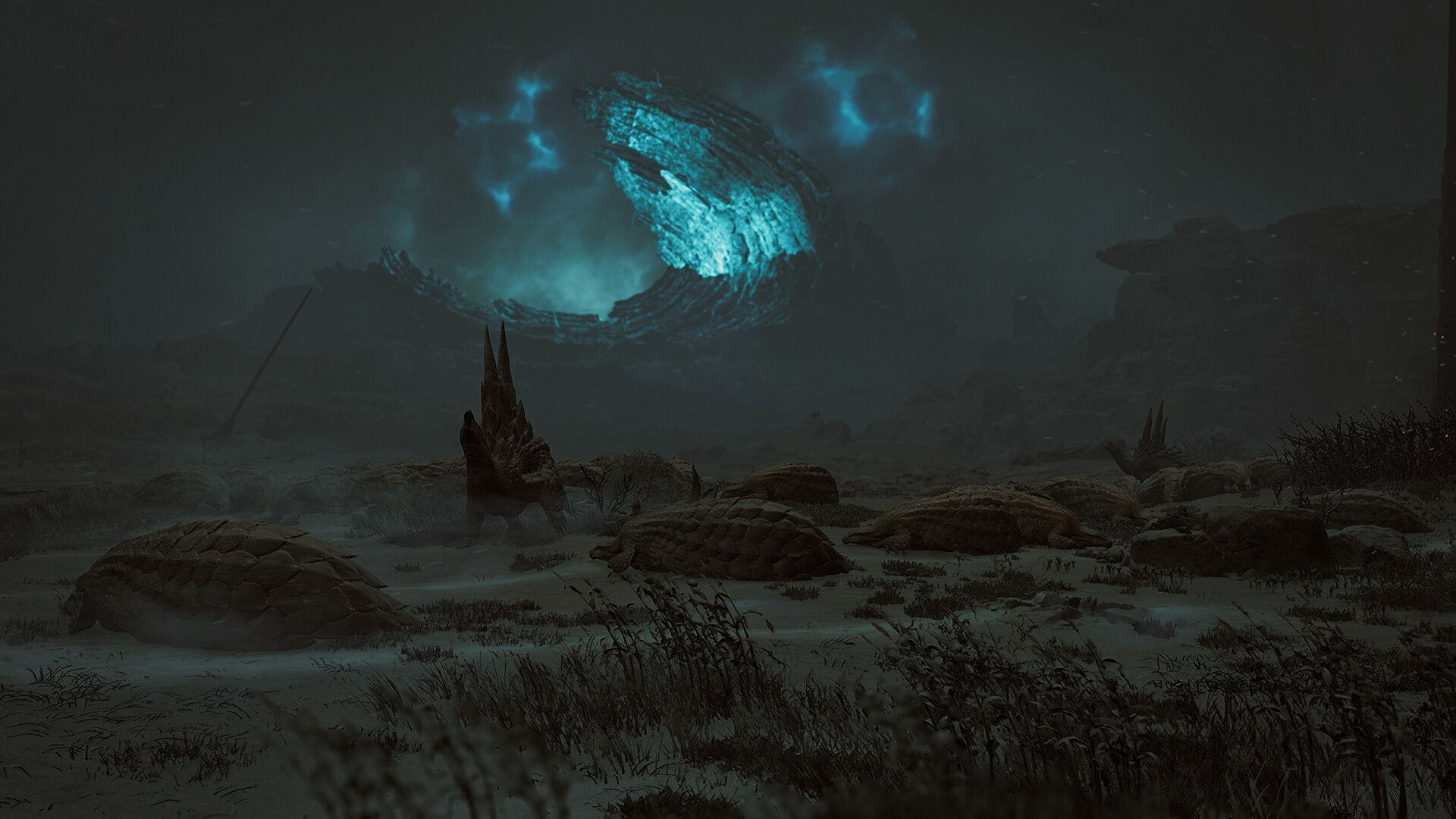
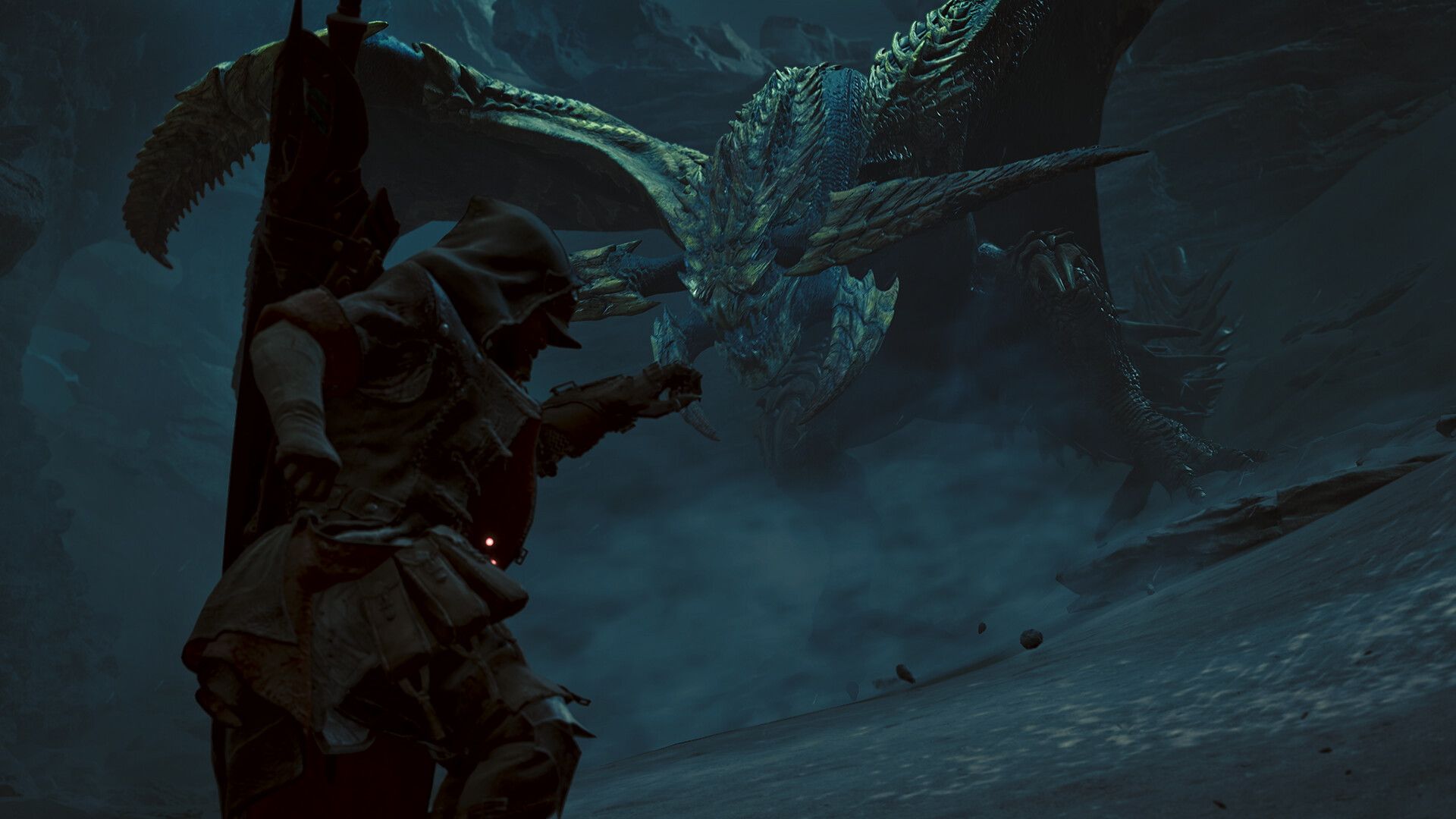
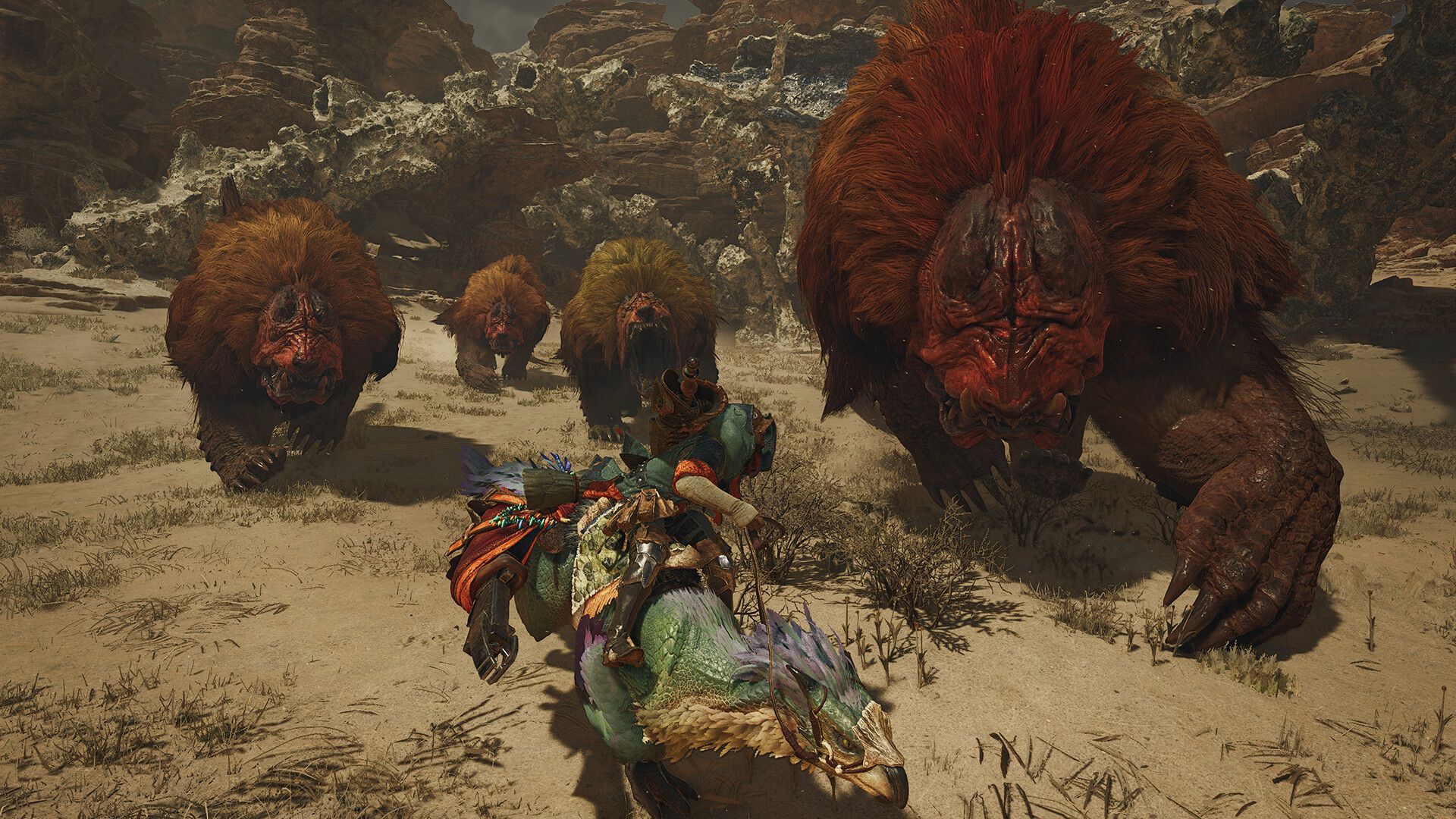
With Rise, specifically, the franchise should learn that true quality stems from its content, and not necessarily its high-end graphics. Wilds was designed to be the most realistic and graphics-reliant entry in the series so far, and while the decision itself seems great, as we all enjoy a good-looking game, it was only delivered in parts. The big investment in its graphics and size made Monster Hunter Wilds a heavy game.
It almost feels like Capcom decided to sacrifice a bit of the game’s performance to prioritize looks, but that only makes it worse. If the game doesn’t run smoothly, with a consistent FPS rate and without crashes, the graphics don’t really matter, as you won’t be able to enjoy them. As I replay Monster Hunter Rise, I’ve noticed that the game is a lot poorer when it comes to its technical aspects.
It’s notable that Rise has simpler graphics, which make it more cartoon-like – a big contrast to Wilds’ realistic approach. Furthermore, the animations are a lot simpler than those in Wilds, too. This is true even when Rise is compared to World, its predecessor. This makes sense. After all, the game was designed to be a Nintendo Switch exclusive, so Capcom had to ensure it would run smoothly on the platform.
At the same time, however, Rise doesn’t leave much to be desired. Even with its lower-resolution textures and a notable simplicity, it runs well on Switch and the other platforms it was later ported to. This allows you to smoothly enjoy the game without any performance-related obstructions.
Rise also excels at its endgame content in a way that the most recent entry does not. The lack of Elder Dragons in Monster Hunter Wilds is one of its most severe content problems – something that Capcom has tried addressing with Tempered, Arch-Tempered, Frenzied, and Apex monster variants, but has failed.
Overall, it seems like Wilds lacks more challenge in a way that World and Rise did not, even if they had similar, yet more contained, criticisms at launch.
The Next Monster Hunter Game May Need To Make Sacrifices
If Capcom Keeps It Simple, The Next Entry May Be Better
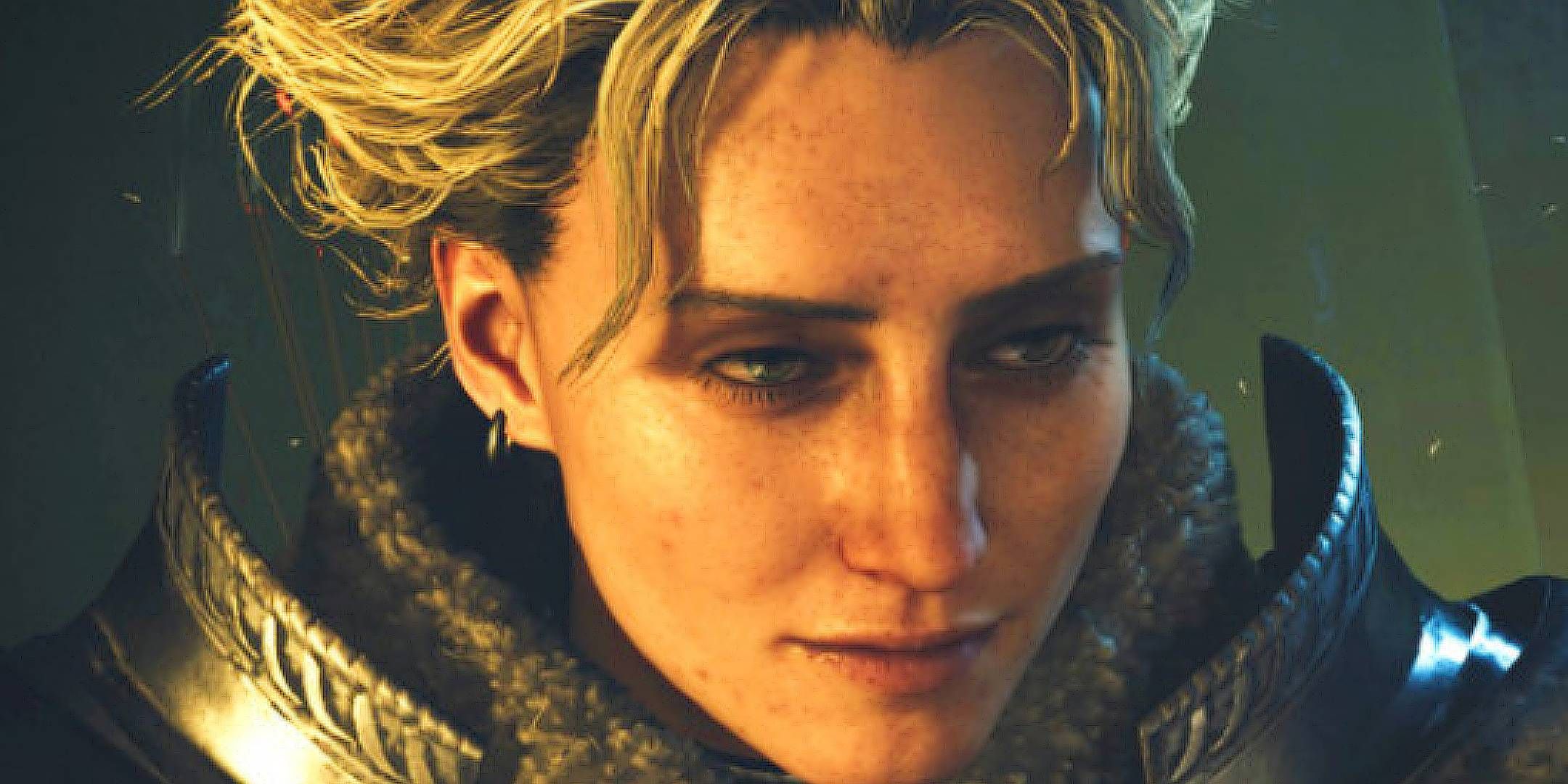
The franchise is under immense scrutiny, and some fans still hope that Wilds’ biggest issues will be fixed with a DLC. Even so, I believe that’s not the right path to tread. Only truly optimizing a paid AAA game with the arrival of an expansion, even if the performance tweaks are free for all, is a terrible strategy, as Wilds would have lost the majority of its player base by then.
It’s unclear how much of a stain Wilds will leave on the franchise’s reputation. However, given how beloved the series is, there may still be some spark in fans’ eyes once the next entry is announced. Even so, Capcom will have to consider making sacrifices.
Instead of being too ambitious and trying to make the largest and most realistic Monster Hunter game of all time, it may be wise to keep it simple. If the company prioritizes the quality of its content and performance over its high-end graphics and overly crowded maps, the next title may be a lot better than Wilds.
Rise’s maps are a lot simpler than Wilds’, but they never really feel empty.
I don’t believe that the franchise is beyond salvation, as it has a loyal fanbase and decades of experience. I see Wilds as more of a bump in the road than the end of an era, but Capcom truly has to reevaluate its priorities and make sure that the next Monster Hunter game runs smoothly and has enjoyable content for hours rather than only focusing on giving it a visual glow-up.
10
Images
10
Images







Leave a Reply