


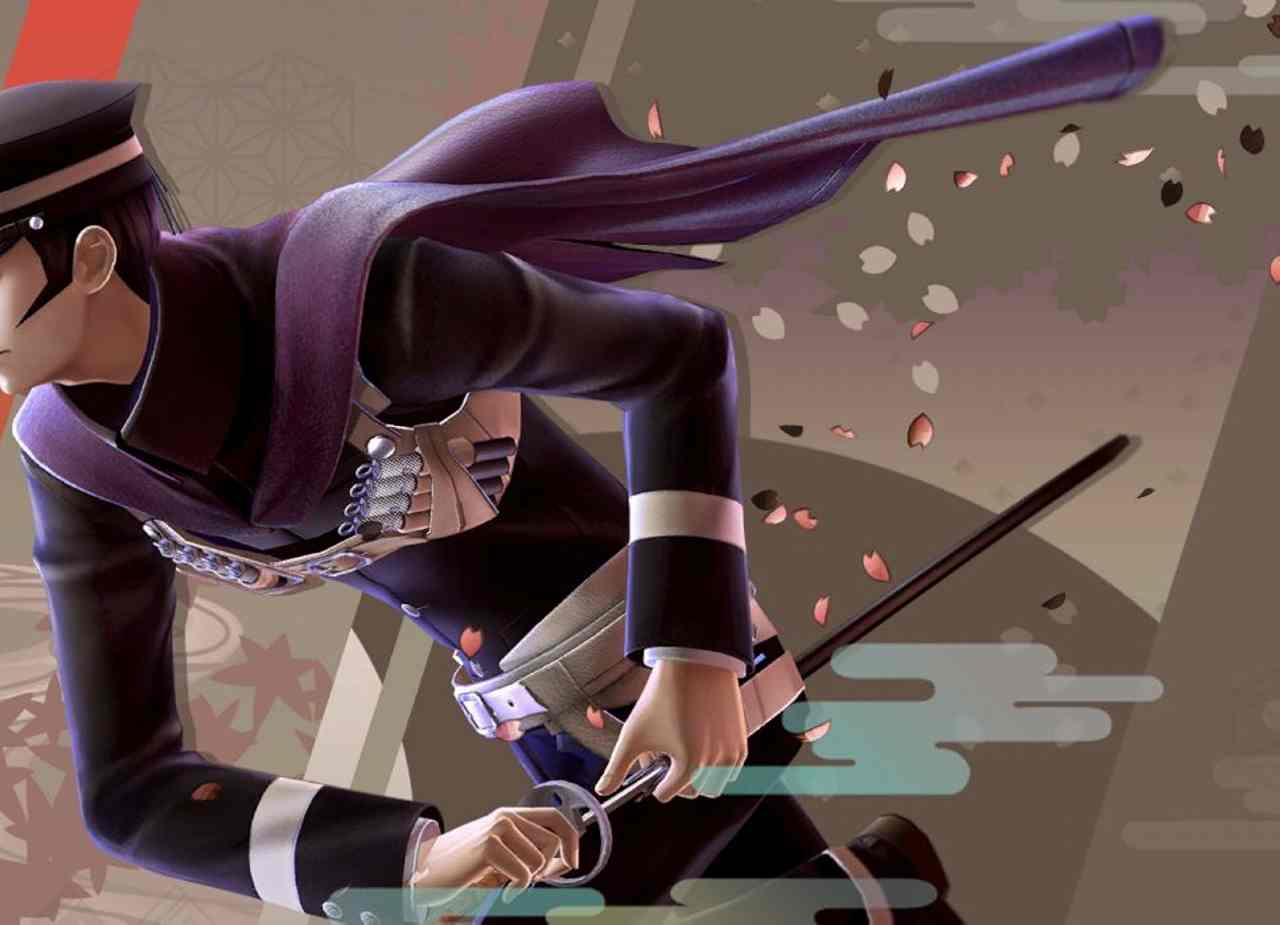
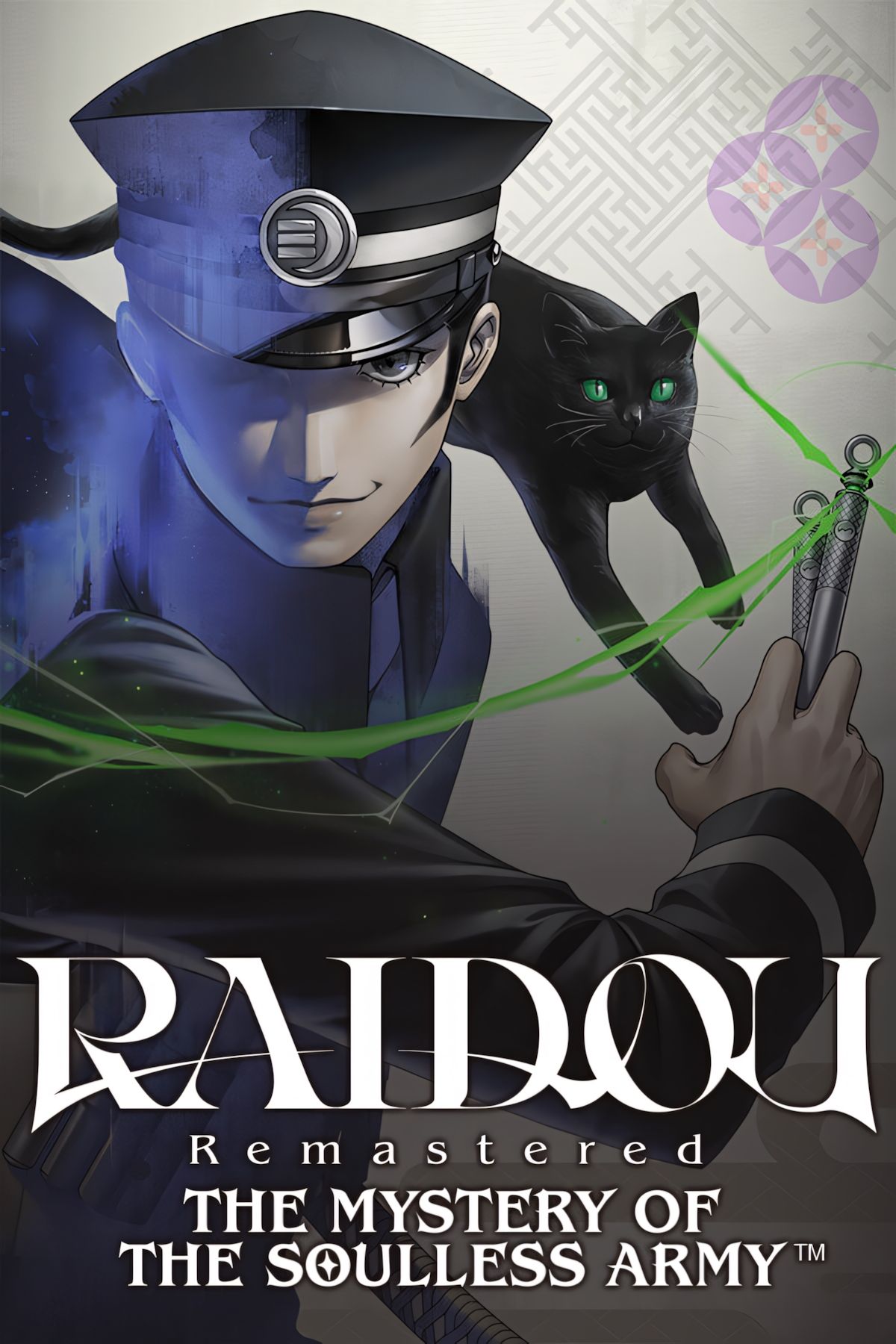
Raidou Kuzunoha XIV returns to active duty in Atlus’ creature-collecting fantasy detective adventure RAIDOU Remastered: The Mystery of the Soulless Army. The fact that this nearly 20-year-old ARPG has been rescued from its PS2 purgatory with a slew of QOL bells and whistles is reason enough for Shin Megami Tensei fans to jump for joy. For everyone else, the game presents a great Japanese historical fiction yarn within a genre-blending JRPG that thinks outside the usual box.
I previewed RAIDOU Remastered last month, coming away from it inspired by the updated gameplay elements and comfort-food delights to be found in this lesser-played gem. Originally a MegaTen Devil Summoner entry – even if it always felt more like a spinoff of a spinoff – the original balanced several different key ingredients, including an investigative plot inspired by police procedurals, a perky action framework which saw Raidou battling alongside his summoned demons in real time, and that idiosyncratic MegaTen art style.
Raidou Kuzunoha, Demon Detective
For RAIDOU Remastered’s Narrative, It’s Demons All The Way Down
By upgrading or adding on to almost every component of the original, RAIDOU Remastered: The Mystery of the Soulless Army feels like a righteous revival that yet retains its most characterful elements and stubbier qualities. The central action gameplay at its core helps it come across as a more accessible MegaTen title, even if its broader limitations are more keenly noticed in 2025.
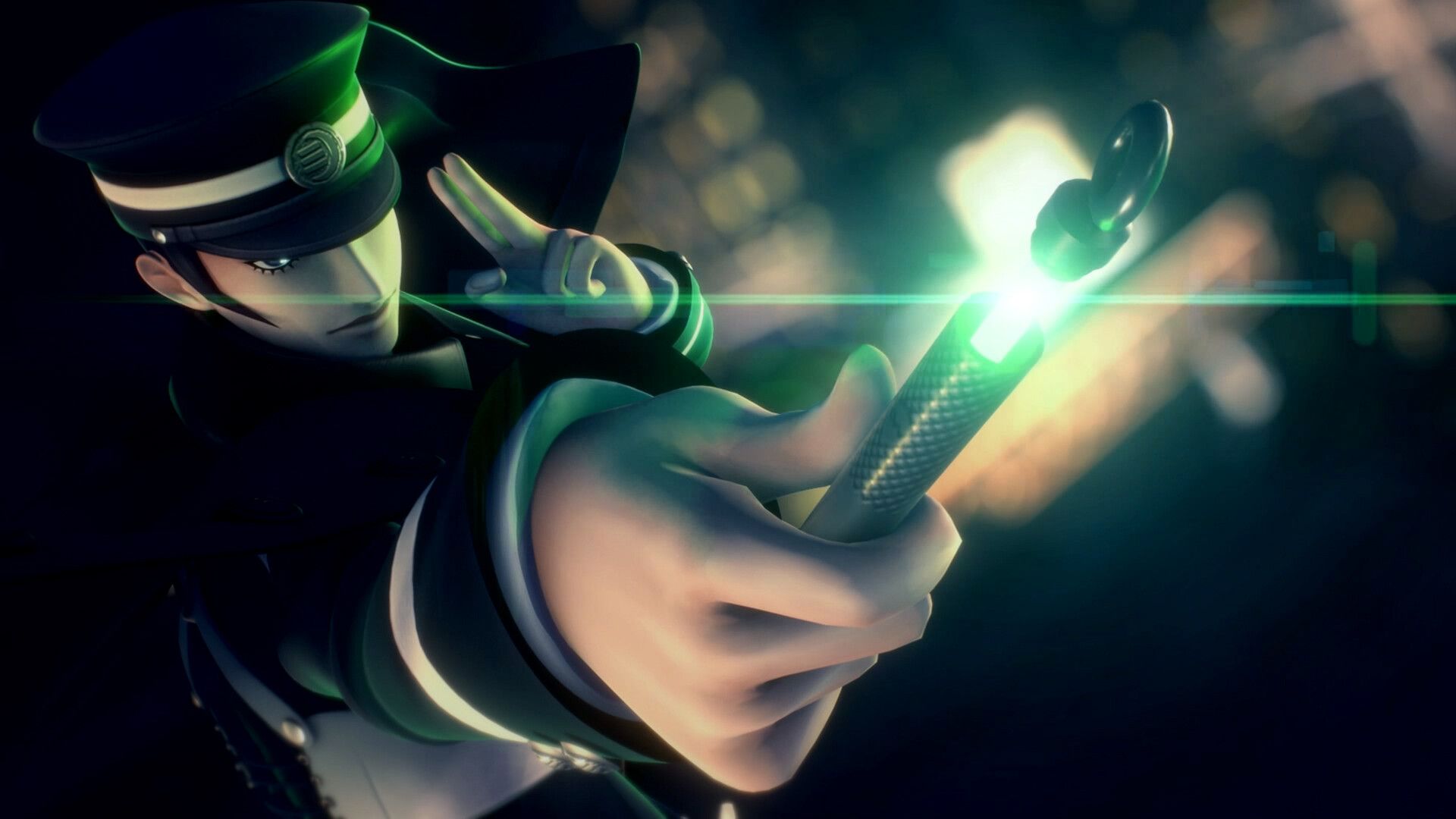
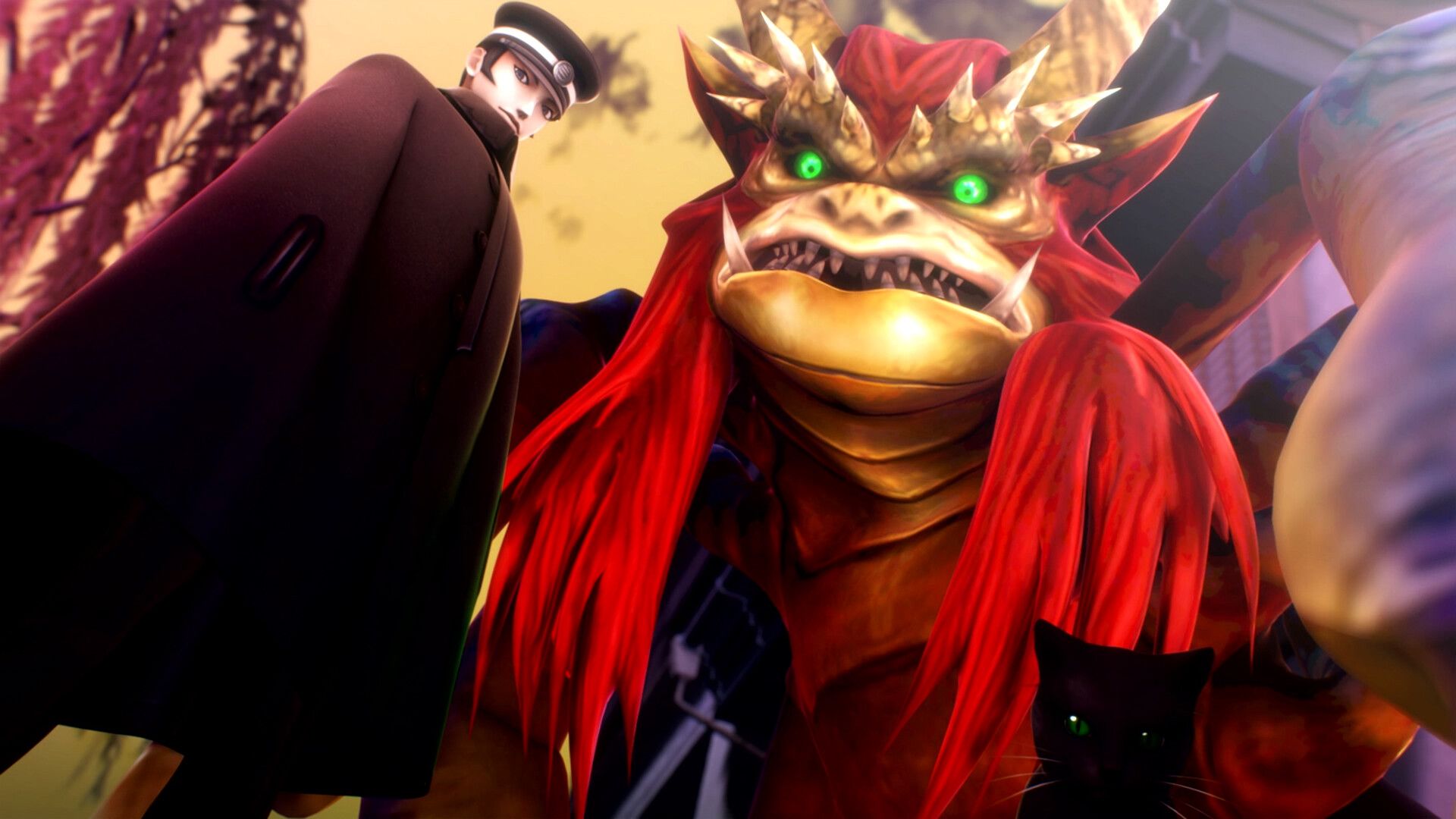
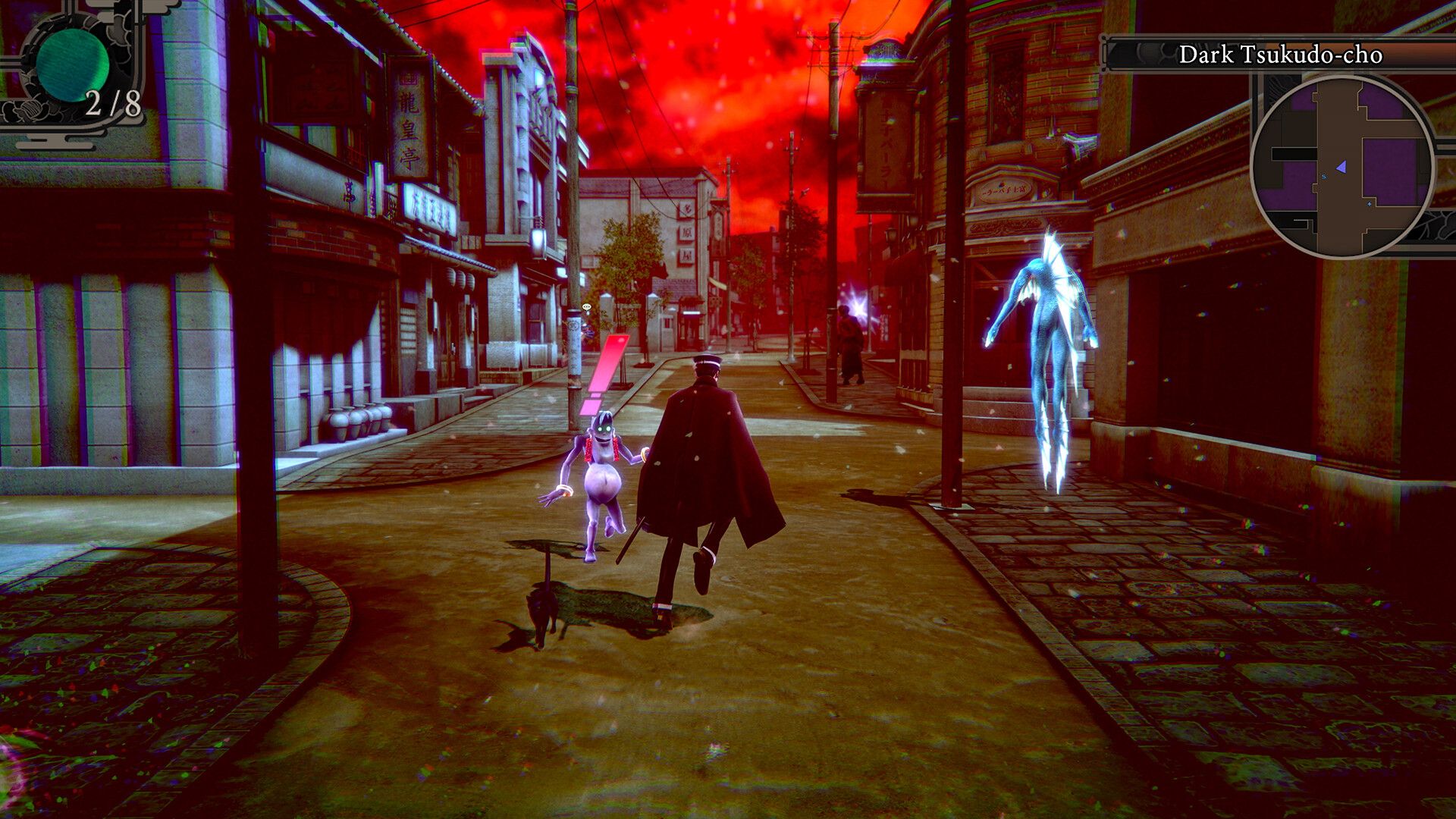
Raidou Kuzunoha is the 14th of his name, a representative from a sacred sect of Japanese protectors known for their innate ability to commune with and summon hidden demons for help. Donning a police detective’s cap and cape with his trusty cat mentor/sidekick Gouto at his side, Raidou investigates crimes and complaints on the streets of what is now Tokyo, tangling with a demonic underworld beyond the skein of reality, which enables real-world kidnappings and crimes.
RAIDOU Remastered: The Mystery of the Soulless Army leverages demons as the all-purpose mechanisms of its world. A rich man’s daughter is kidnapped? Demons probably did it, and you can use demons to save her. Soldiers acting strangely? Demons are behind it. Sailors and cargo disappearing at sea? You get the drift.
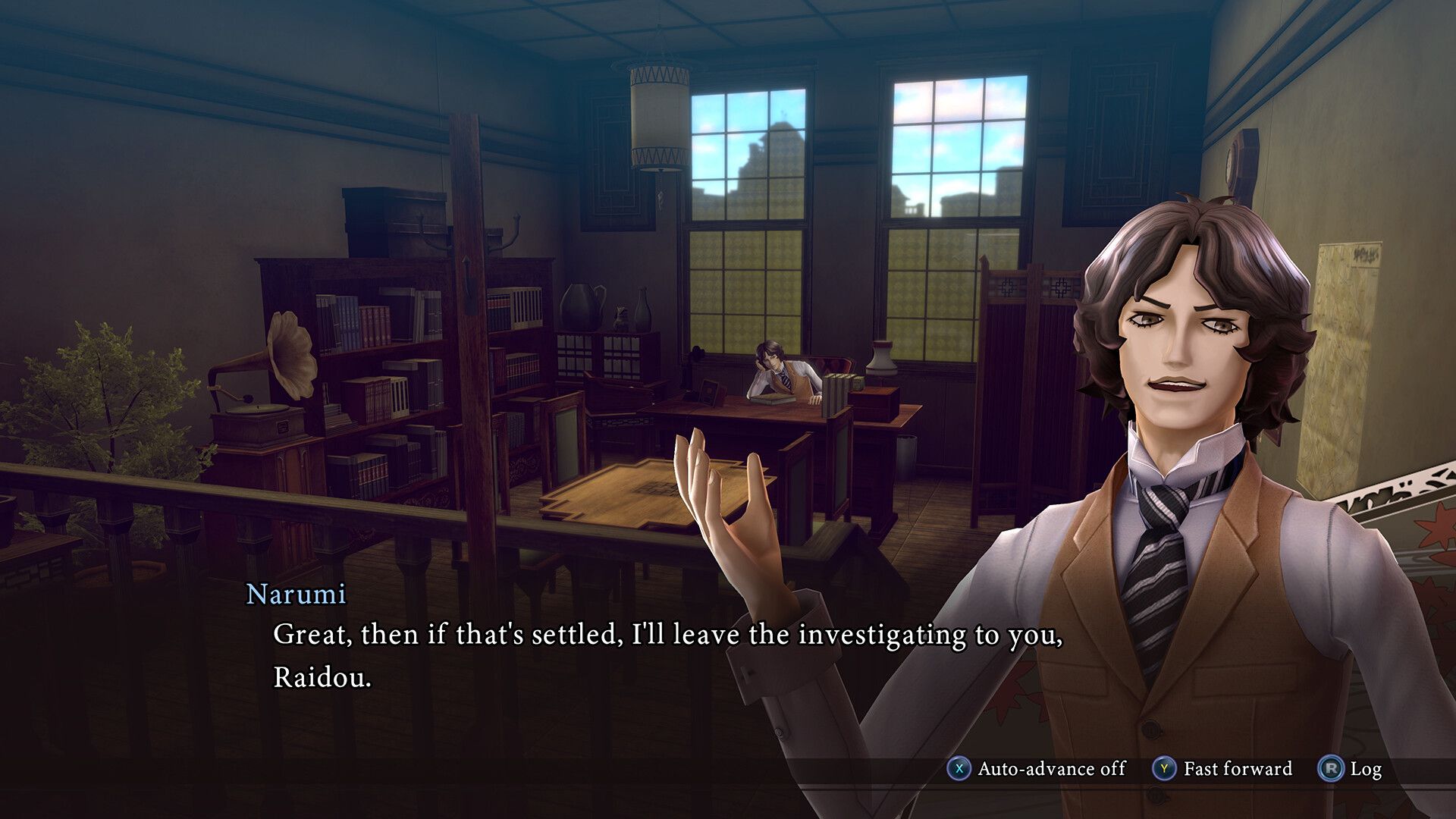
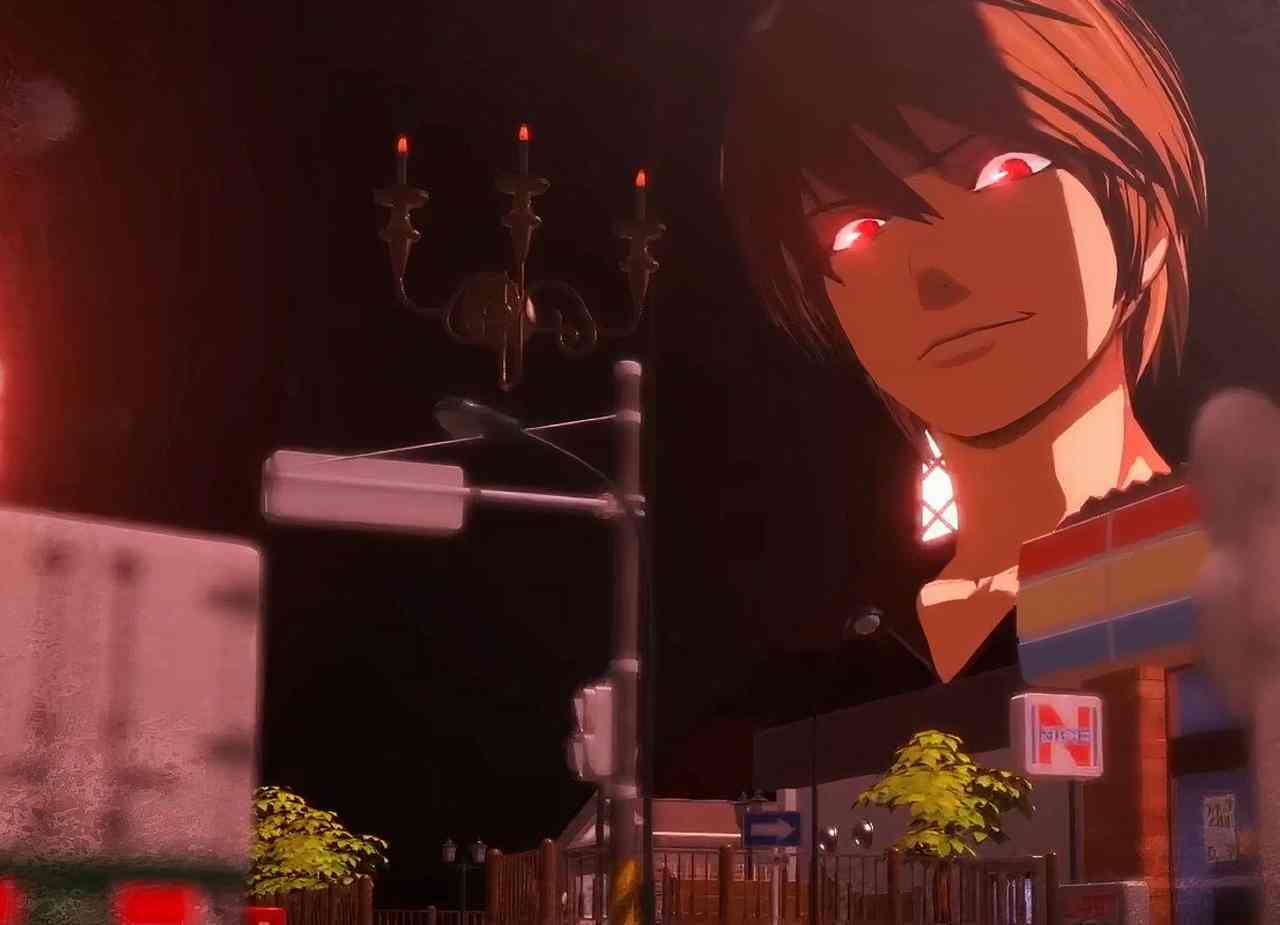
Luckily, the game’s brisk narrative wastes little time on overwrought soliloquies and tedious exposition. The peppy pace of the story remains refreshing, especially for an older JRPG at a time when the genre usually doubled down on verbose melodrama. RAIDOU presents an overall fun and tricky tale that takes itself just seriously enough, and the limited cast keeps the stakes, surprises, and obligations of each character easy to follow.
Exploring Historic Japan and Its Demonic Underworld
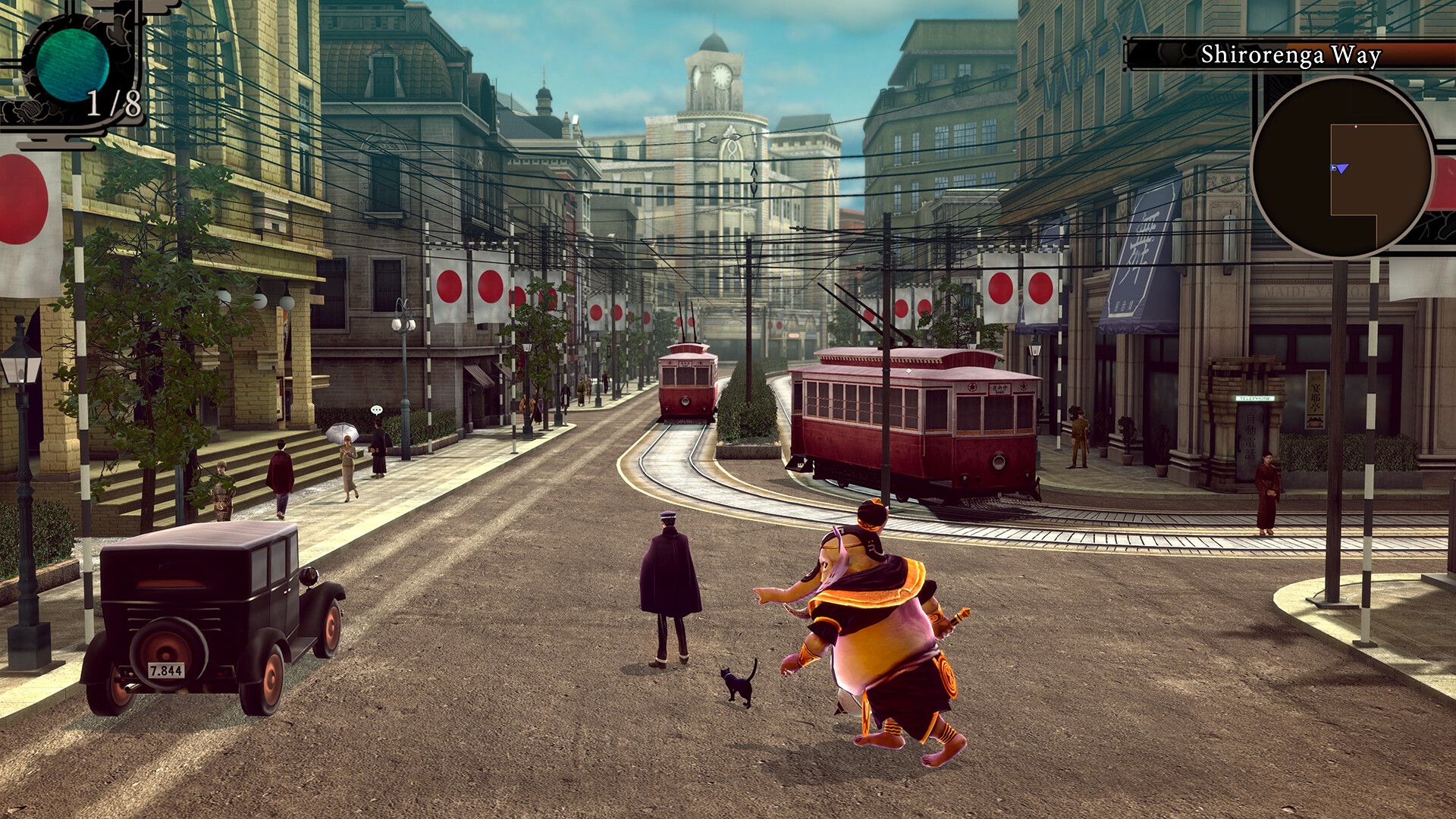
RAIDOU Remastered’s Environmental Design and Snappy Pace Continue to Shine
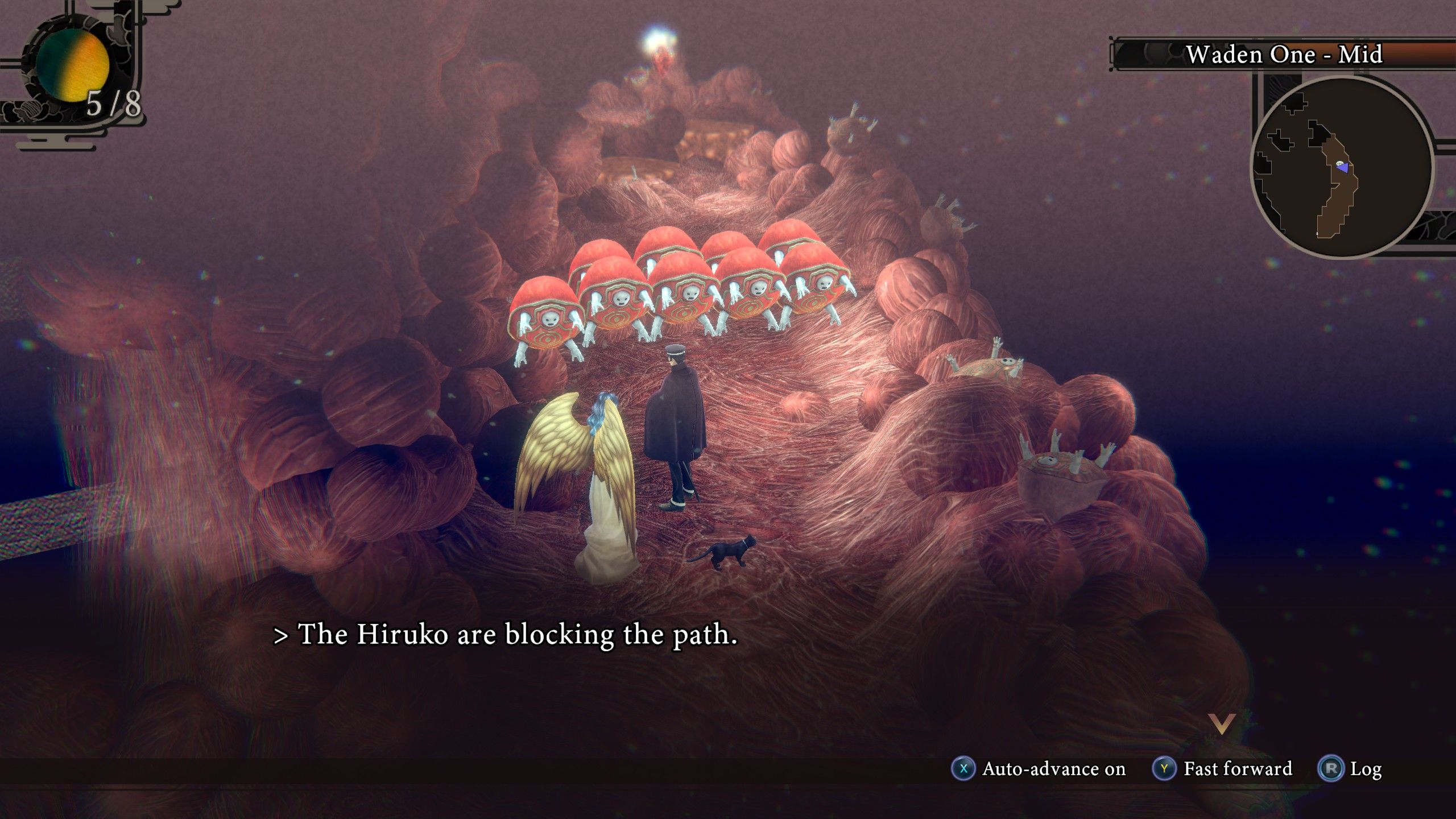
The game is primarily split between bouts of combat, demon maintenance, and exploring each cloistered region for NPC chatter and the occasional bonus quest, or “case.” Those scare quotes are intentional, since the bulk of RAIDOU Remastered: The Mystery of the Soulless Army’s side quests are one-off blips which barely qualify. For instance, one could find Raidou simply calling on a demon with the correct skill to find an item before a sudden splash screen exclaims, “CASE CLOSED.” Yes indeed, the master detective has successfully cracked the case of the crying child and his missing toy five paces away.
Regardless, demons can fulfill all sorts of tasks outside of combat, and can even be guided directly to reach other areas and fight enemies on their own. The game isn’t jam-packed with secret content in this vein, but there’s just enough there to inspire you to double-check for a bonus item or objective whenever you can.
Other than that, Raidou mainly wanders around a growing map of areas for his next clue. In the original, this process could stack tens of hours onto the game’s runtime alone, and I recall often scratching my head at where to find another trigger to move the main quest along, a process which has now been fully streamlined. However, that old system centered on demon combat more effectively, since repeat exploration meant more leveled-up demons for effective fusions and such.
The Larger Cast of Demons Fit Right Into RAIDOU Remastered
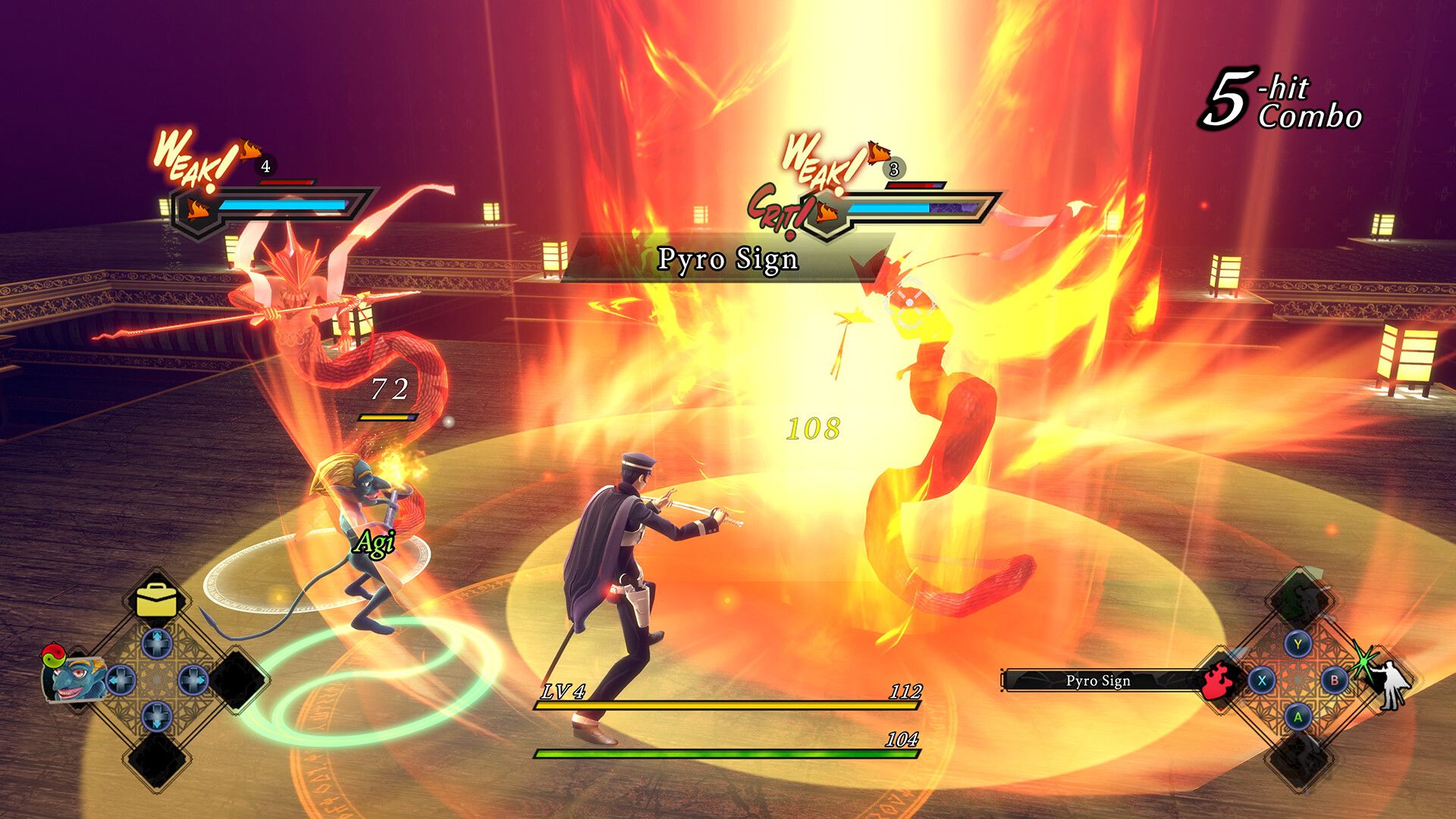
Demon Summoning and Combat are Upgraded and Refined
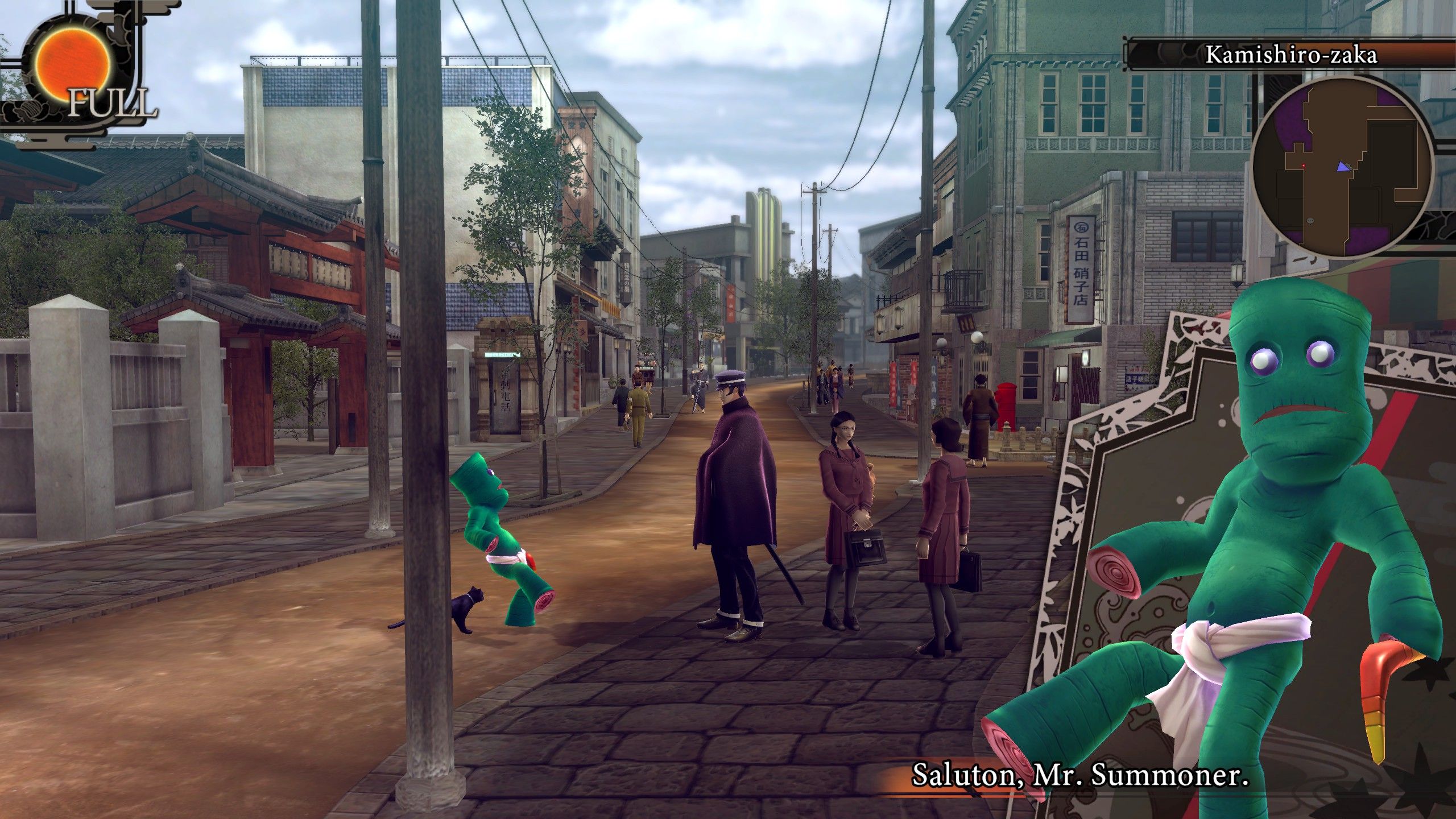
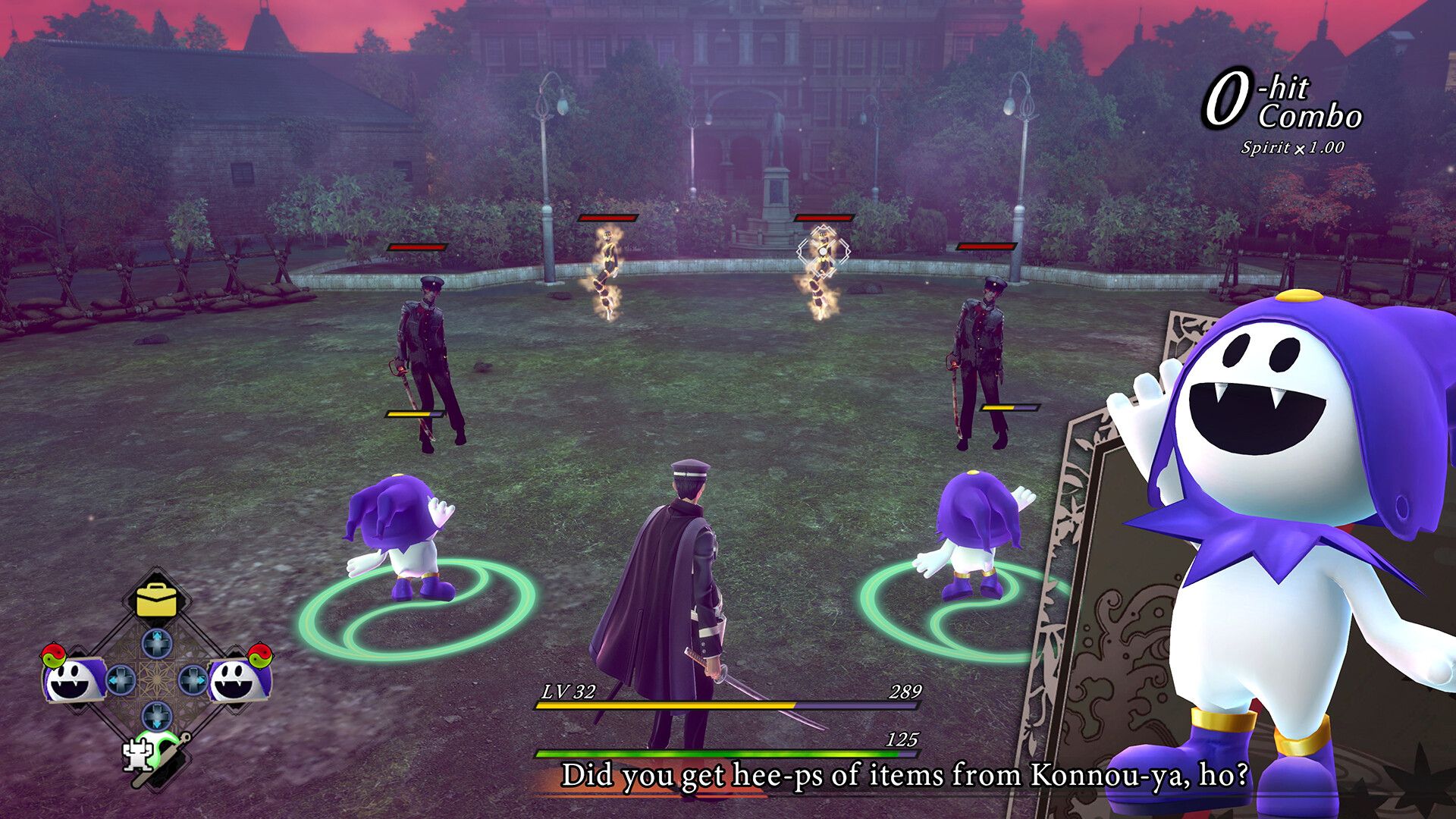
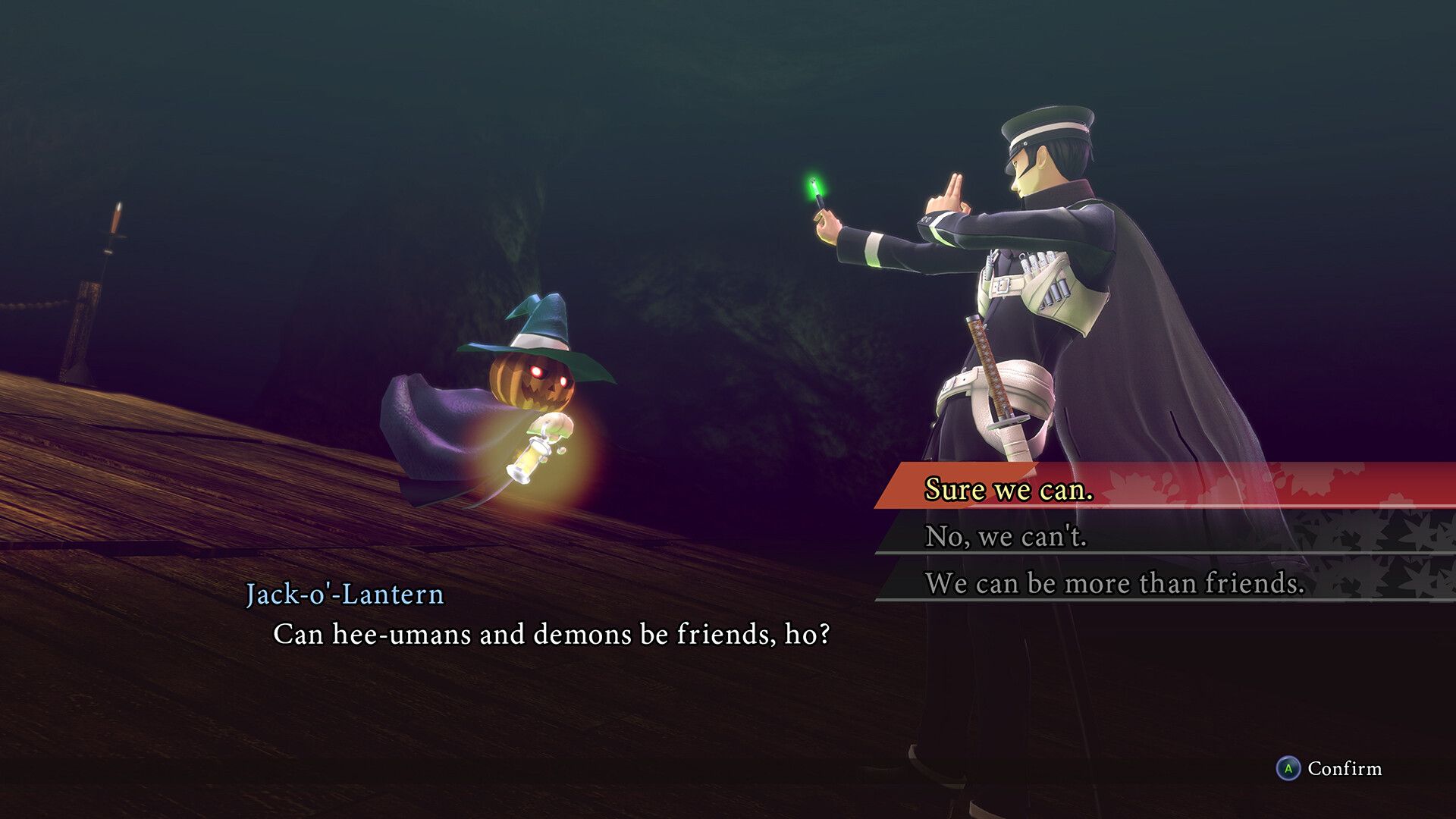
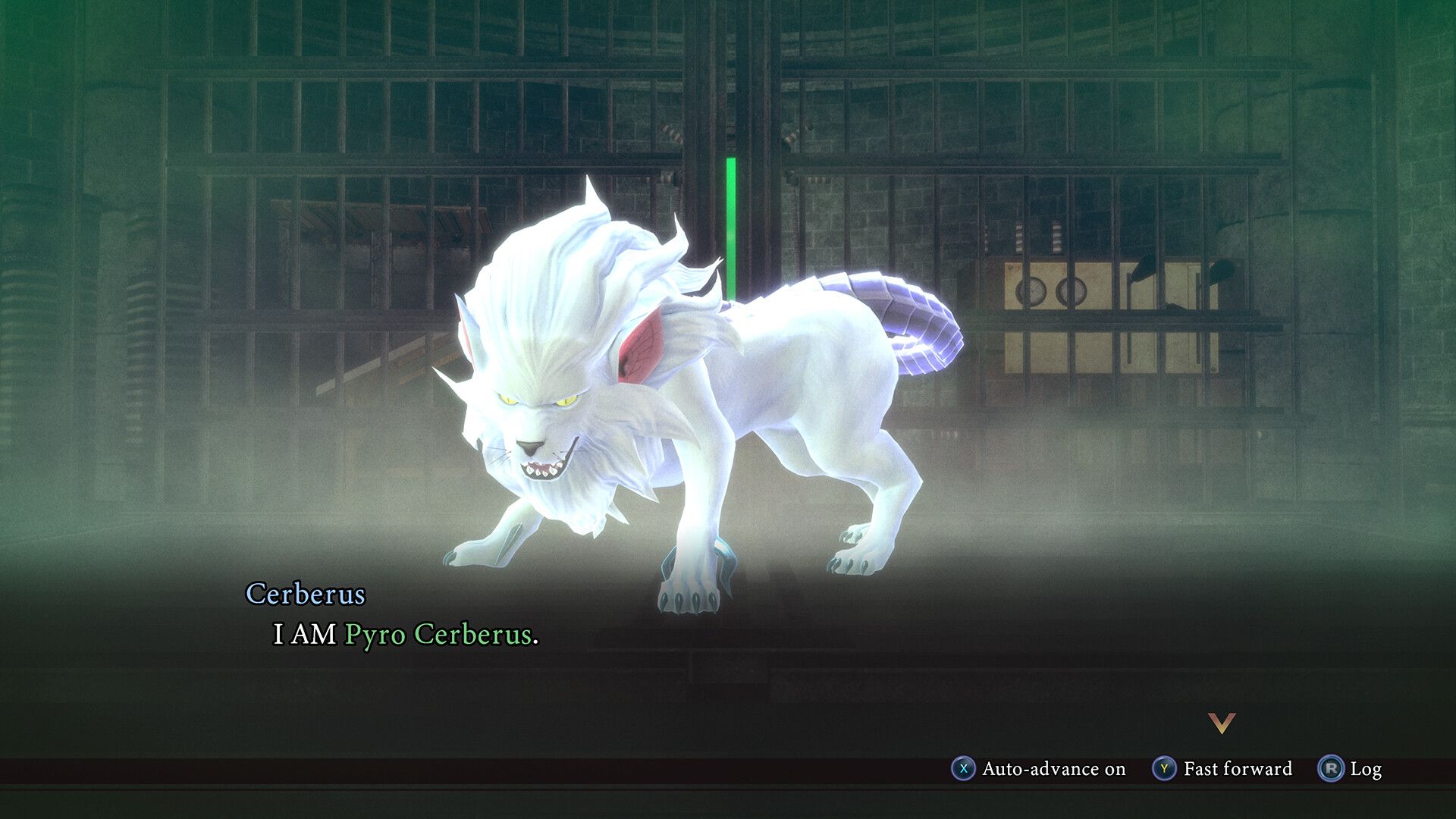
While the 120+ demons here are far fewer than some contemporary Persona games, there’s a sizable collection here of funky creatures, scantily-clad fantasy gals, and grumbling devil boys. There’s the skeleton-chauffeur-driving-a-car summon that has always looked patently ridiculous, your standard-issue Jack Frost and its variations, and even a scrambling Turbo Granny for any Dan Da Dan fans in the wings.
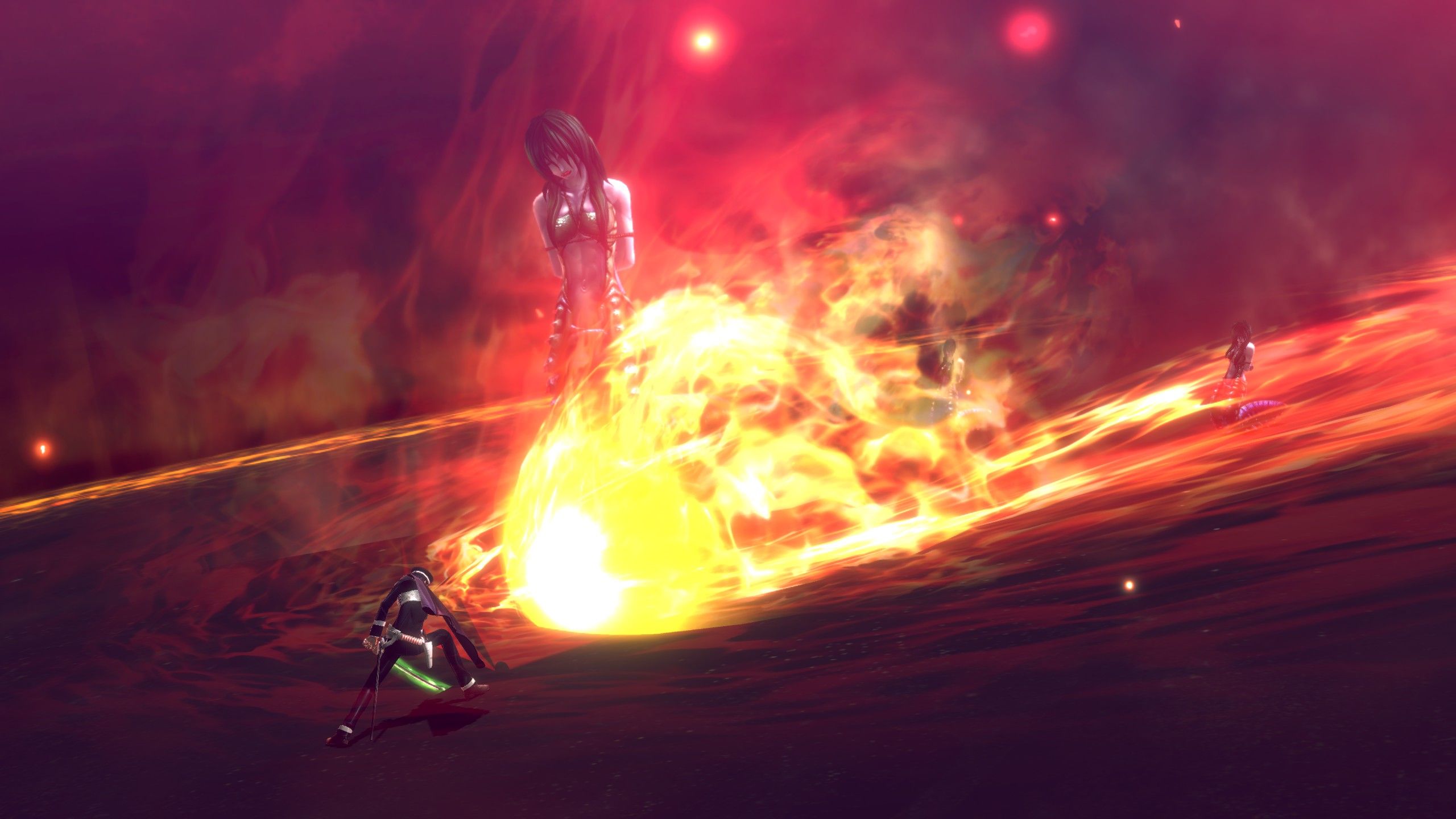
As mentioned in our preview, while some of RAIDOU Remastered’s demon sets are familiar, fighting alongside any of them still feels wholly unique. Demons can be nudged in battle to cast spells, reserve mana, or turn invisible to help you focus on dodging boss patterns unhindered. Beloved allies can be nurtured over time, recorded to redraw later, or fused in Victor’s Goumaden to create new demons, inheriting previous spells and abilities.
All of these common MegaTen routines work predictably well in RAIDOU Remastered, and the two-demon summons and buffed catalog deepen the experience. It’s been so long that I couldn’t pick out every new one from the game’s original cast of 75 at release, but they are a worthy draw for even the most casual Persona fan.
The New and Old Features in RAIDOU Remastered
Teleportation Is Great, But It Makes The Game Feel Even Shorter Now
It’s not all sunshine and roses in 1930s Japan, though. The larger demon cast, while available to be yanked anytime from hammerspace to affect NPCs with their random abilities, do fall prey to repetitive voice lines and barks that grate after the tenth hour. There are some skip functions in the game now, but watching a dozen demons level up after a boss fight still takes a while, and the cutscene fast-forwarding is a little uneven in how it works.
Although the main quest feels shorter with the new teleport-like methods of travel, I didn’t recall the game’s eventual shift into abbreviated episodes from around the halfway mark. The longer, earlier chapters set the grander mystery, but soon you’re jumping straight into basic dungeon-focused quests which have less charm and depth than hitting the streets for a stroll.
I spent approximately 30 hours in RAIDOU Remastered, but much of that time was spent grinding and gathering the cool new demons I found. Anyone interested in speedrunning the remastered version of the game should find it much quicker than before.
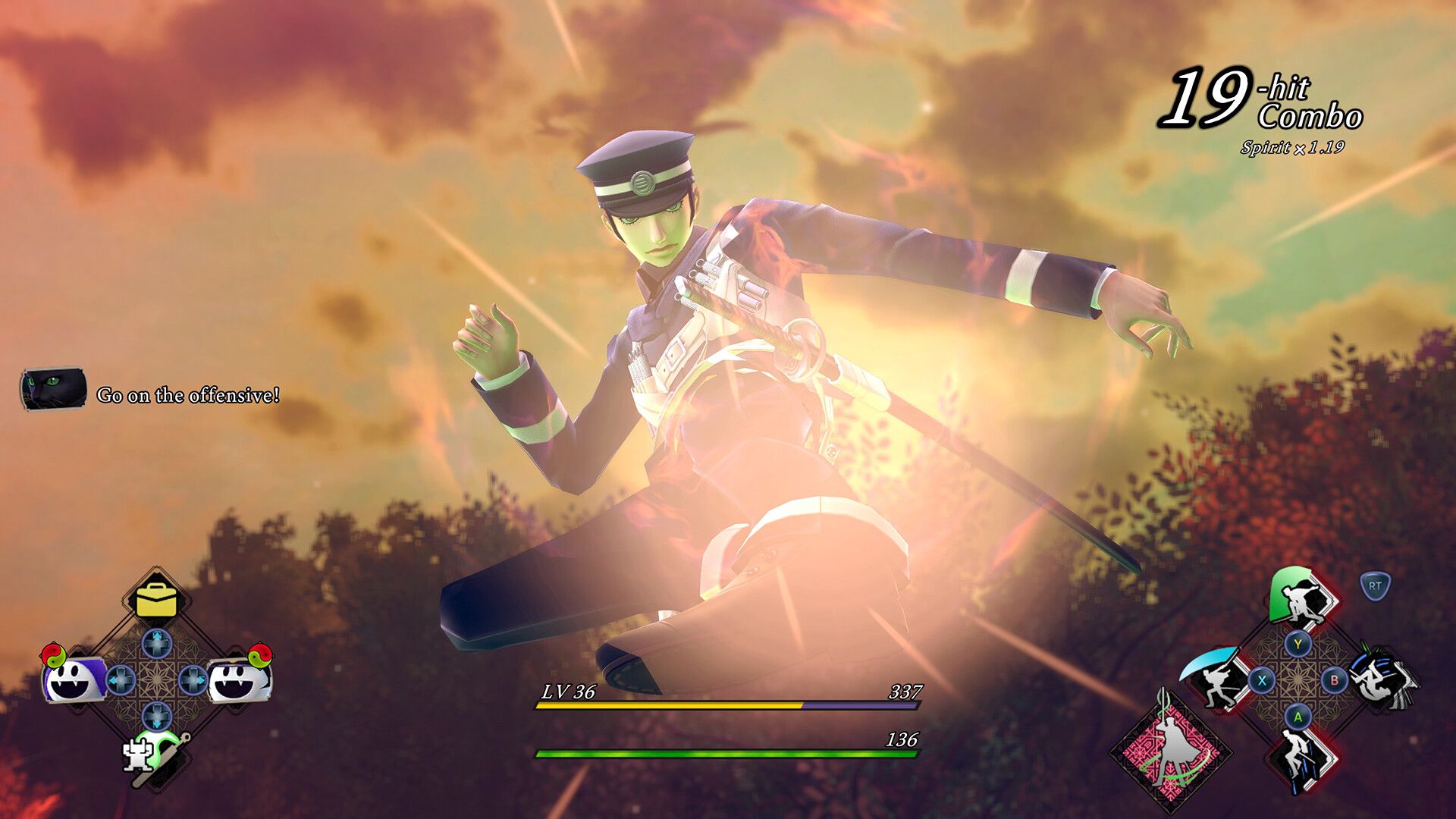
While it’s nice to have a fully movable third-person camera for battles, I admit that I found myself quizzically nostalgic for the more rigid POV at times. That sense of nostalgia is fully served by RAIDOU Remastered‘s soundtrack, though, which remains loaded with fantastic work by MegaTen stalwart Shoji Meguro, all of which sounds clearer and louder than ever before, and the new voiceover content is up to snuff with what we’ve come to expect of Atlus.
RAIDOU Remastered is the New and Definitive Version
An Excellent Remaster Brings This PS2 Niche Classic into the Modern Day
I assume that RAIDOU Remastered: The Mystery of the Soulless Army is an instabuy for some and firmly on the radar for others. There’s a sense that the original duology is something of a forgotten affair, so it’s great to have a spiffed-up version for archival purposes at minimum, one which doesn’t meaningfully tamper with the original’s narrative at all.
That being said, it’s hard not to unfairly compare this remaster to present-day JRPGs, which find it lacking somewhat in depth and reading as a bit old-fashioned in function, at least beyond the unique combat. This isn’t to say that the narrative lacks wacky twists that make the overall experience seem more contemporary, but even RAIDOU Remastered‘s numerous updates don’t result in a noticeably cutting-edge game.
I’d still rate RAIDOU Remastered higher than the original, both for its refreshed presentation of the MegaTen brand and its greater accessibility. The kind of thing that was once a rare badge of honor for a game, which anyone can thankfully experience. If the primary purpose of a remaster is to create the new definitive version, RAIDOU Remastered: The Mystery of the Soulless Army nailed the assignment.
Screen Rant was provided with a digital PC code for the purpose of this review.
10
Images
10
Images





Leave a Reply